Renting an apartment in Germany comes with its own rules, paperwork, and pitfalls — especially if you didn't grow up with them. This page collects our English-language guides for expats and internationals, covering the rental deposit (Mietkaution), credit checks, common scams, and the paperwork landlords expect.
Renting in Germany at a glance
- Deposit (Mietkaution): at most three months' base rent (Nettokaltmiete). You may pay it in three equal monthly instalments.
- Where it goes: the landlord must keep your deposit separate from their own money, in an interest-bearing account, and give it back after the tenancy ends once any claims are settled.
- SCHUFA: most landlords ask for a SCHUFA credit report. Newcomers often have none, so plan for alternatives such as proof of income or a guarantee.
- Anmeldung: you must register your address within 14 days of moving in. Landlords have to confirm your move-in for this.
- Scams: never pay a deposit before you have seen the flat or met the landlord, and never wire money to a stranger.
Where to start
New to the German rental market? Start with the first guide on how the deposit works, then read on about deposit alternatives, the credit check, and how to avoid scams. Looking for a bank account for the deposit? See the overview of German deposit account providers (in German).
 How Does a Rent Deposit (Mietkaution) Work in Germany?Read more →
 Rent Deposit Insurance in Germany: When Is It Useful?Read more →
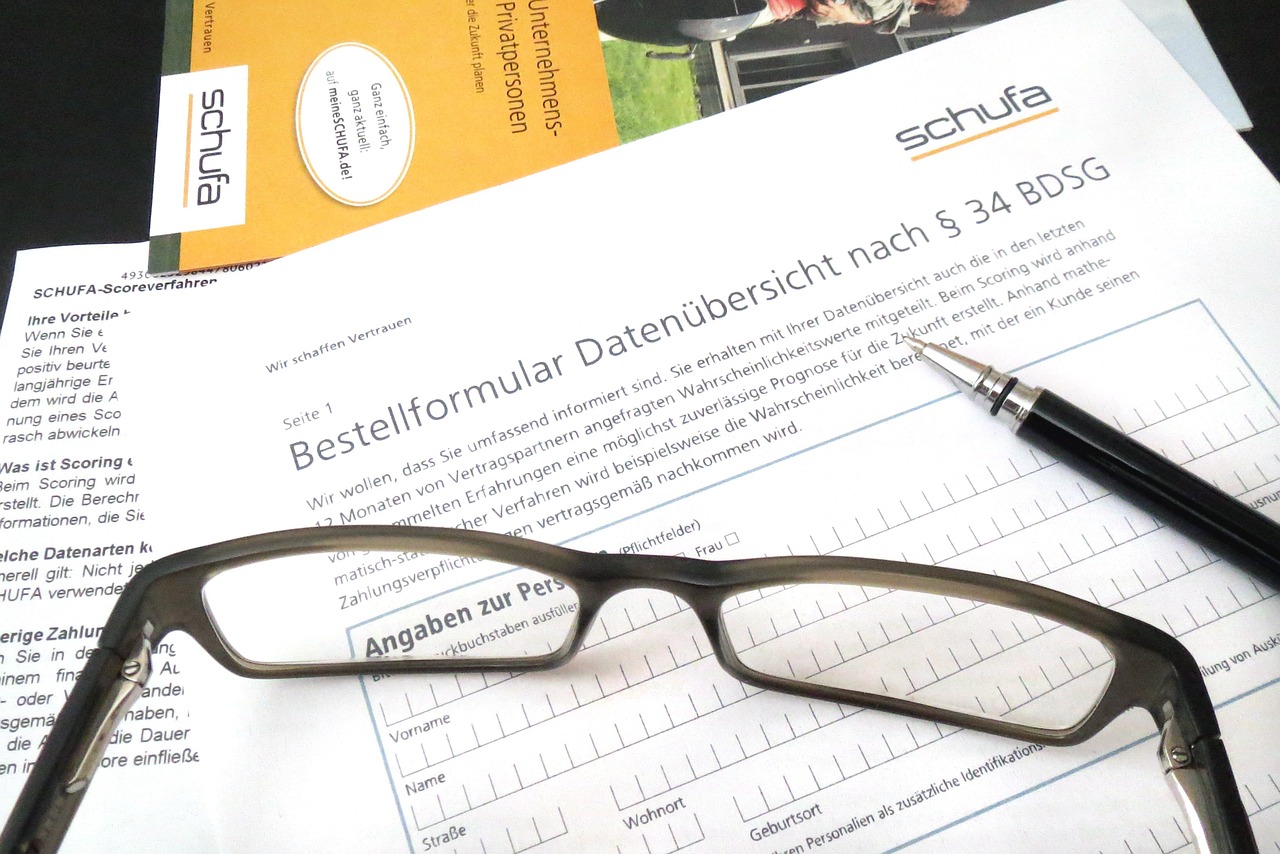 SCHUFA Explained: What German Landlords Check Before Renting to YouRead more →
 Rental Scams in Germany: How to Spot a Fake Landlord Before You Pay a DepositRead more →
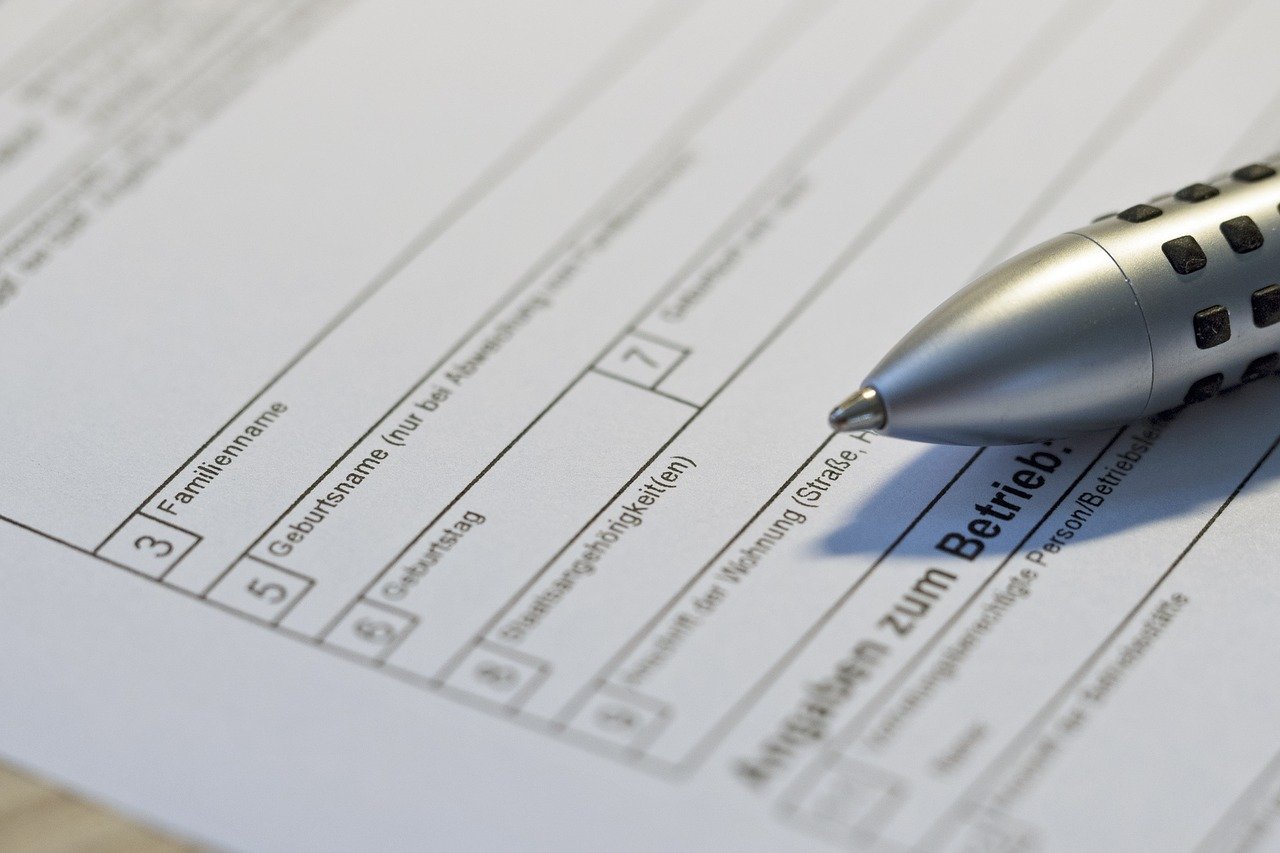 Anmeldung in Germany: Why You Need It to Rent an ApartmentRead more →
This page gives general information, not legal advice. Rules can differ in individual cases; check your lease and ask a tenants' association (Mieterverein) if you are unsure.